





































Black Stars and the Somalia Return Fixture: Selection, Local Talent and the Need to Rebuild Confidence

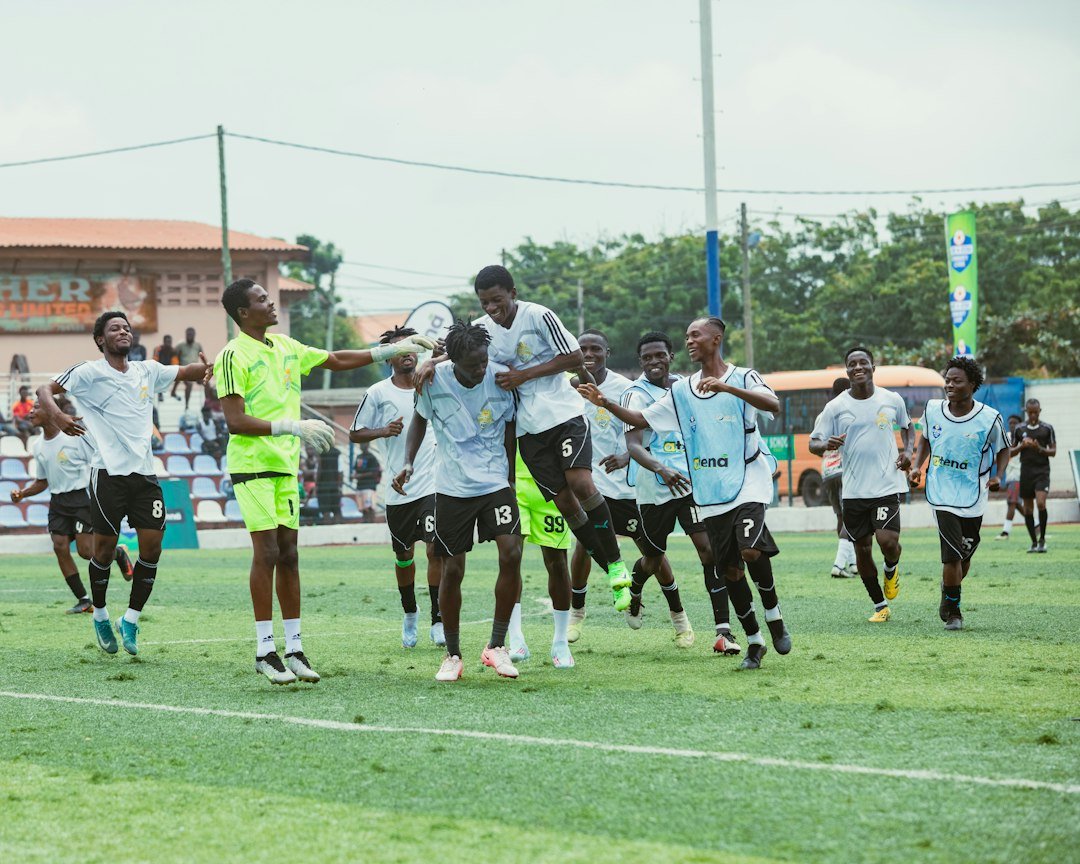
Editorial note: This article distinguishes confirmed public information from analysis and general guidance. Any illustrative image is identified in its caption.
A crucial moment for Ghana
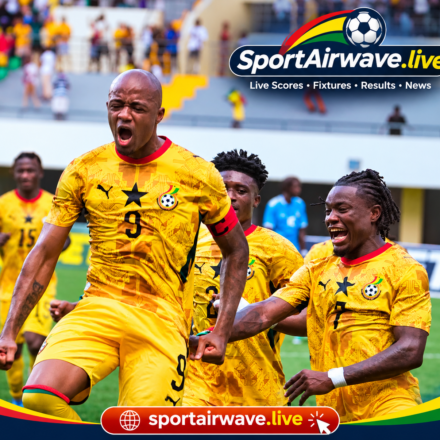
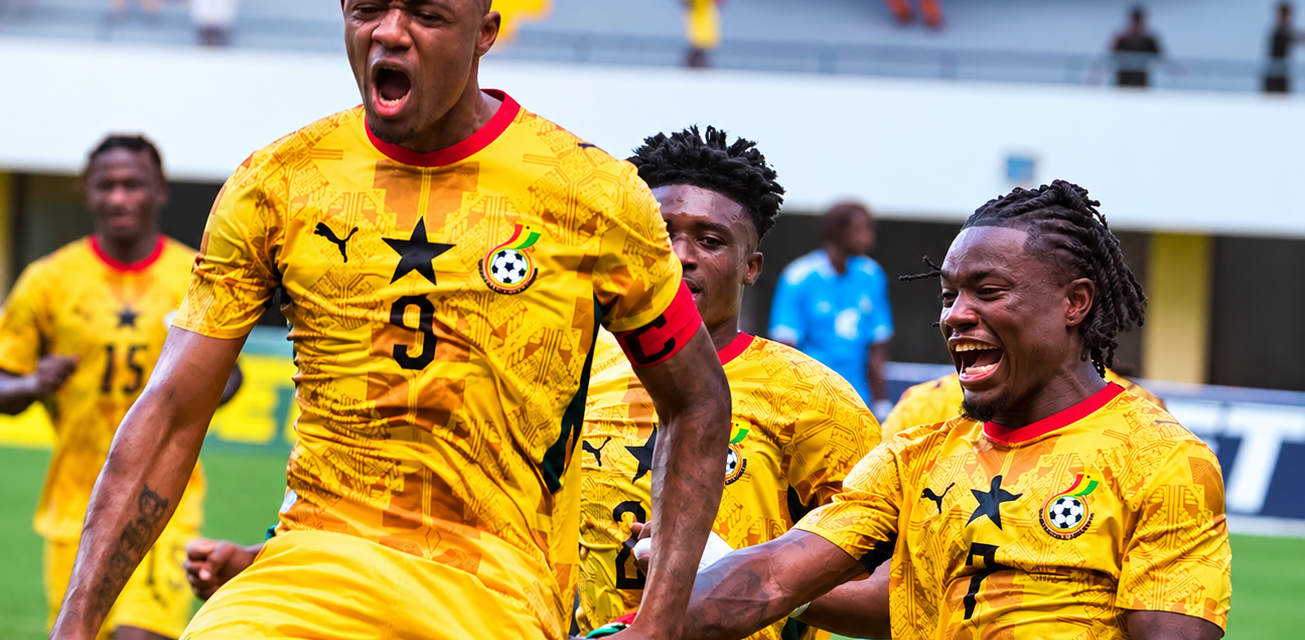
Ghana’s 2027 Africa Cup of Nations qualifying campaign has entered a demanding phase. The Ghana News Agency reported that the Black Stars were preparing for a double-header against Somalia after opening defeats to Côte d’Ivoire and The Gambia. The first meeting was scheduled for 12 November at Essipong Sports Stadium, with the return fixture set for 16 November at the same venue. With the return match approaching, attention is focused not only on the result but also on the team’s response, tactical organisation and ability to restore confidence. Supporters want a competitive performance, but the wider task is to build a team that can perform consistently across a qualifying campaign.
The pressure of a difficult start
A poor start in a qualifying group places pressure on players and coaches because every remaining match carries greater importance. It can also encourage rushed decisions, especially when public criticism becomes intense. The team must respond with clarity rather than panic. Coaches need to identify why the earlier performances did not produce points, whether the problems involved chance creation, defensive transitions, midfield balance, finishing or concentration. Those questions should be answered through match analysis, not speculation. A team can dominate possession without creating high-quality chances, and it can defend for long periods without controlling dangerous spaces. The staff must evaluate the actual pattern of play and select a plan that suits the available players.
The debate over local players
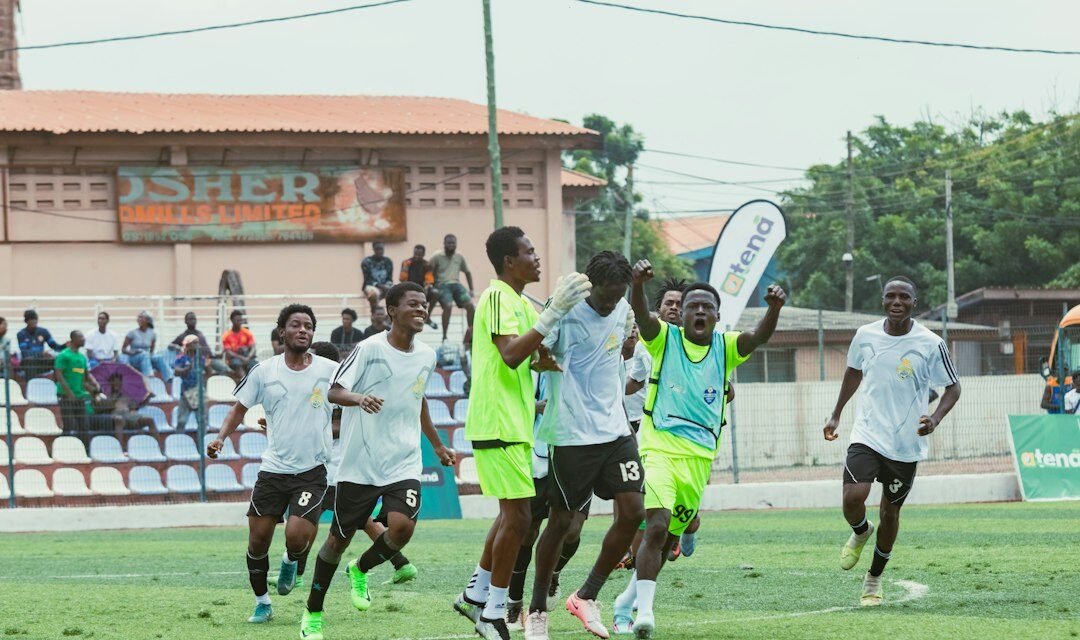
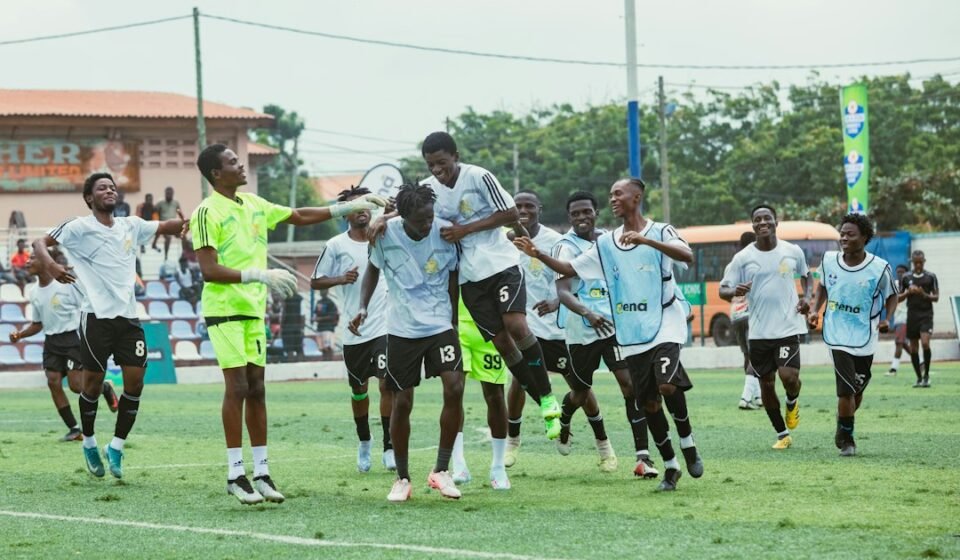
The use of locally based players has become part of the discussion around Ghana’s national team. Following the first Somalia match, criticism was reported over the limited playing time given to some domestic players. The issue deserves careful consideration. Local footballers who perform consistently in the Ghana Premier League should have a credible pathway to national-team assessment. At the same time, selection should be based on role, form, fitness, tactical suitability and the quality of the opposition. A player should not be included only to satisfy a public argument, just as a locally based player should not be overlooked simply because he competes outside the most visible European leagues. Fair scouting requires consistent standards.
What a balanced selection process looks like
A strong selection process begins with clear criteria. Coaches can assess players through club performance, training, physical condition, tactical understanding, decision-making and the ability to execute a defined role. Video analysis can help compare performances, but it should not replace live observation and conversations with club coaches. Domestic players may bring familiarity with local conditions and strong motivation, while overseas-based players may offer experience in different competitive environments. These are not opposing categories. The national team benefits when the best available players are selected for complementary roles. Transparent communication about selection principles can reduce suspicion and help players understand what they need to improve.
The importance of midfield structure
Midfield organisation often determines whether a team can move from defence to attack without losing control. Against an opponent that defends compactly, Ghana may need patient circulation, movement between the lines and quick changes of direction. Against a side that presses aggressively, the team needs reliable passing options and calm decision-making under pressure. The balance between a holding midfielder, a ball-progressing player and an attacking midfielder should reflect the match plan. Full-backs and wingers also need clear responsibilities so that attacking width does not leave large spaces behind them. These are tactical considerations, not predictions about the final line-up. The coaching staff must make decisions based on fitness and match preparation.
Finishing and chance quality
When a team is under pressure to win, players may rush shots or force passes in crowded areas. The better response is to create high-quality opportunities through coordinated movement and good decision-making. Forwards need service that matches their strengths, while midfielders should recognise when to pass, carry the ball or switch play. Set pieces can be important in close matches, but they require rehearsed delivery, movement and defensive organisation. The team should also prepare for transitions after losing possession because an attack that breaks down can quickly expose the defence. Finishing practice is useful, but chance creation and decision-making across the pitch are equally important.
Supporters and the home environment
The Ghana News Agency reported a call from the Sports Minister for supporters, particularly in the Western and Central Regions, to back the Black Stars during the Somalia double-header. Support can lift a team, especially when confidence is fragile. Fans also have a right to demand effort, organisation and accountability. A constructive home atmosphere can encourage players without excusing poor performance. Match organisers and security officials have responsibilities too: clear entry information, safe transport arrangements, accessible facilities and orderly crowd management all contribute to the match experience. Supporters should rely on official channels for ticketing and venue updates and avoid unverified claims about access or team arrangements.
What the technical team must learn
The immediate objective is to prepare effectively for the return fixture, but the technical team should also use the period to establish lessons for the rest of the campaign. That means reviewing the first match honestly, identifying players who performed their roles well, correcting recurring errors and communicating selection decisions. If a tactical approach is not producing chances or protecting the defence, it should be adjusted. If a player is out of form or carrying an injury, the team needs alternatives. The process should be evidence-led and consistent. Short-term pressure is real, but a national team cannot build long-term stability by changing its principles after every disappointing result.
A pathway for domestic football
The national team and domestic league should have a stronger relationship. Regular scouting, clear performance benchmarks, youth development and cooperation between club and national-team coaches can widen the pool of players. Clubs need incentives to develop talent and provide competitive minutes. National-team call-ups can raise visibility, but they should not be the only measure of a domestic player’s progress. Investment in coaching, pitches, sports science and youth competitions can improve the overall standard. The pathway should include players from different regions and clubs, not only those who attract the most attention. This is a long-term project that requires consistency from football administrators, clubs and development partners.
The bigger test
The Somalia return fixture is an important opportunity for Ghana to respond to a difficult qualifying start, but one match cannot resolve every structural concern. Supporters will judge the result and performance; analysts should also examine organisation, chance quality, discipline, substitutions and the team’s response to pressure. The debate about local talent should lead to better scouting rather than a simple local-versus-foreign argument. Ghana’s ambition should be a national team selected on merit, prepared with a clear plan and supported by a strong domestic development system. This preview is based on the fixture information and public reporting available before the scheduled return match; it does not claim a result that had not yet been confirmed at publication time.
Sources and further information
- Ghana News Agency – fixture background and the Sports Minister’s appeal.
- Ghana Football Association – official national-team updates.