
























Ghana’s Black Challenge Make History: World Champions Deserve a Hero’s Welcome
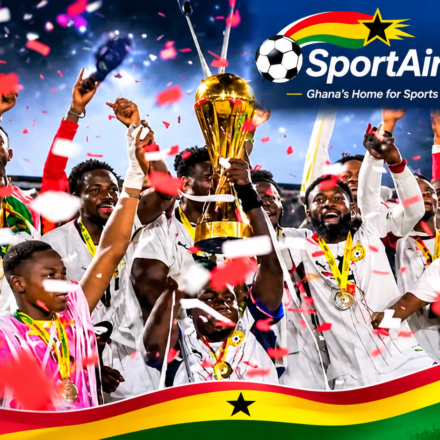
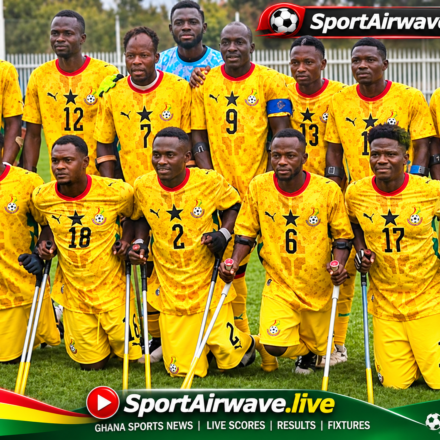
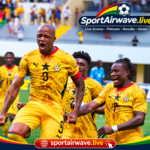
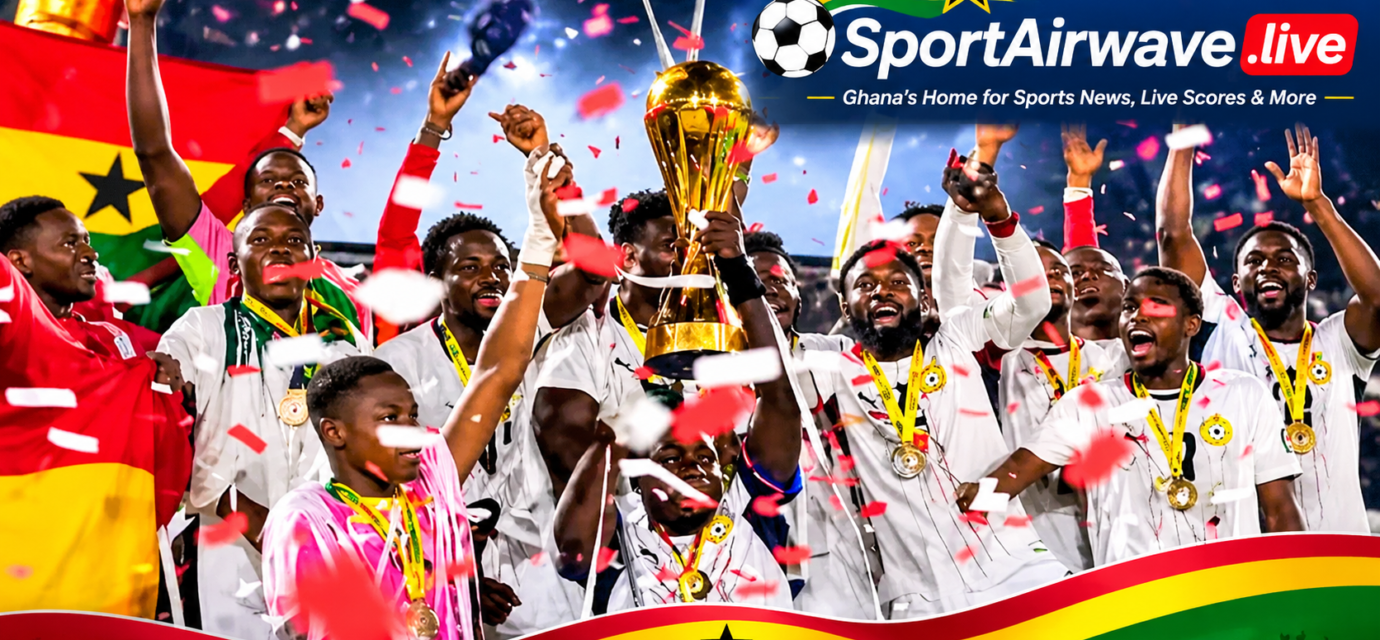
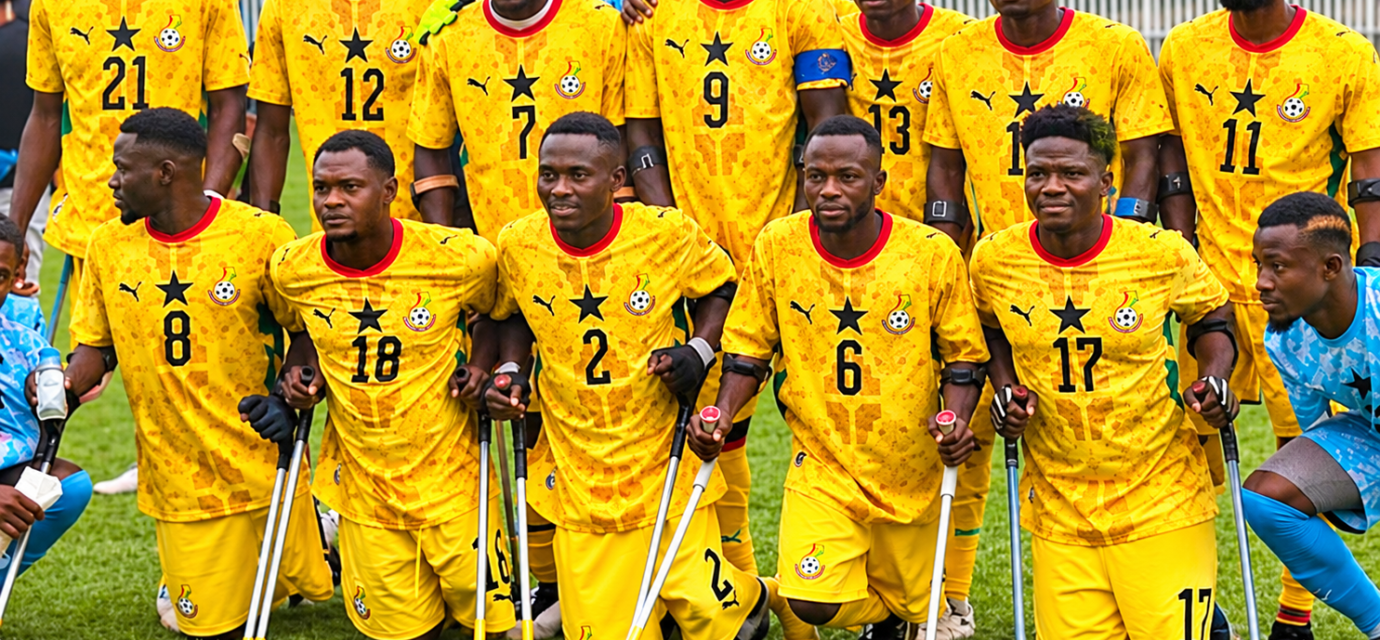
Ghana’s Black Challenge has delivered one of the country’s most inspiring sporting achievements, winning the 2026 Amputee Football World Cup after defeating Morocco 1–0 in the final in Mexico. The victory gives Ghana its first title in the competition and places the team among the world’s leading amputee football nations.
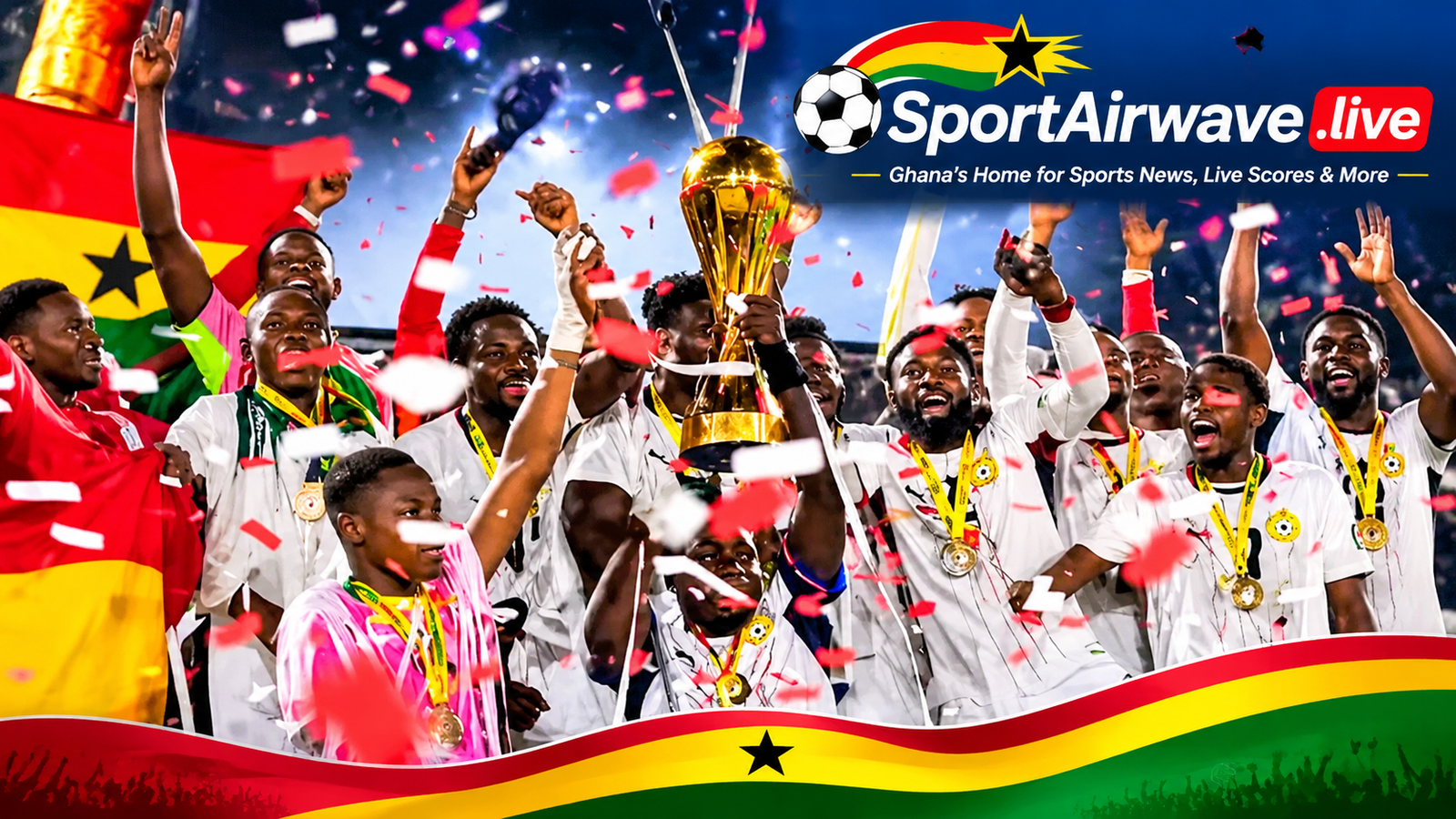
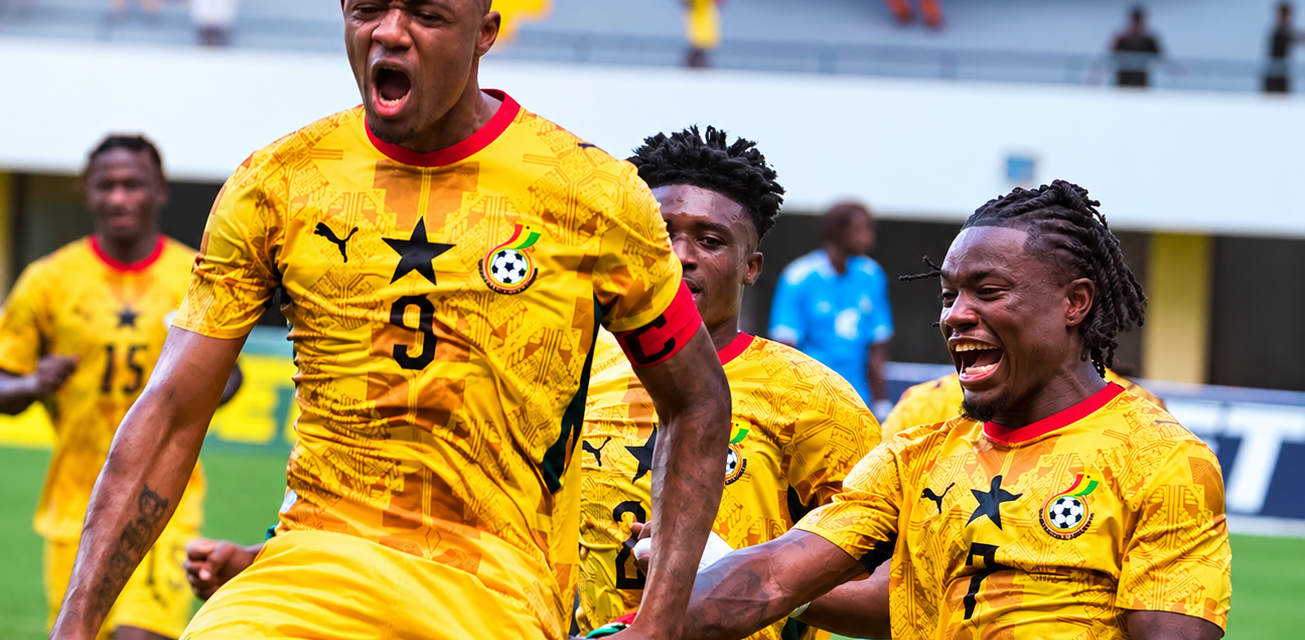
The final was decided by a goal from captain Richard Arthur Opentil in the 32nd minute. Ghana then defended the advantage with discipline and determination, keeping Morocco from finding an equaliser before the final whistle. The result was more than a trophy: it was a statement about talent, preparation and the ability of athletes with disabilities to compete at the highest level.
A campaign built on resilience
Ghana’s route to the final included several demanding matches. The team defeated the United States 3–1 in the round of 16 and Egypt 2–0 in the quarter-final. In the semi-final against defending champions Türkiye, Ghana fought through a 1–1 draw after extra time and won 4–3 on penalties.
The sequence showed the Black Challenge’s ability to adapt to different opponents. The knockout matches required attacking efficiency, defensive organisation and composure in pressure situations. Reaching the final was already a historic milestone; completing the campaign with a victory over Morocco made it unforgettable.
Opentil and Mubarik Mohammed lead the headlines.
Captain Richard Opentil’s winning goal in the final will be remembered as the decisive moment of the championship. Forward Mubarik Mohammed also finished the tournament as the leading scorer, earning the Golden Boot with seven goals. Their achievements reflect the importance of individual quality within a team that relied on collective effort.
Recognition should extend to every member of the squad, the coaching staff, medical and technical teams, officials and support personnel whose work contributed to the title. International championships are rarely won by one moment alone. Preparation, tactical discipline and the ability to recover between games all matter.
Why the title matters beyond football
The victory offers a powerful opportunity to raise visibility for disability sport in Ghana. Athletes with disabilities often face barriers involving facilities, transport, equipment, sponsorship, media attention and access to structured competition. A world title can help bring these issues into public conversation, but lasting progress depends on what happens after the celebration.
Sports institutions, schools, local authorities and private sponsors can use the moment to widen participation. That includes investing in accessible sporting facilities, supporting regional talent identification, providing specialised equipment, and creating regular competitions that give young athletes a route into elite sport.
The Black Challenge’s achievement should also encourage broadcasters and publishers to cover disability sports consistently—not only when a team wins a major trophy. Regular coverage can build audiences, attract sponsors and help athletes become recognised for their performances.
The welcome home should lead to practical support.
A hero’s reception is appropriate, but a meaningful welcome should also include a clear plan for the team’s future. Players need continued training opportunities, competitive fixtures, technical support and transparent reward structures. The national association and relevant authorities can explain how the victory will be used to strengthen the sport.
Fans can contribute by attending matches, following official team updates, sharing verified news and encouraging young people to participate in sport. Businesses can support teams through sponsorships that are sustained beyond a single tournament.
What happens next?
The immediate focus will be on the team’s return and recognition of its achievement. The next challenge is turning the championship into a foundation for stronger amputee football in Ghana. If the title inspires investment, improved access and regular competition, the impact could last far longer than the celebrations.
Ghana’s Black Challenge have shown that determination, talent and teamwork can deliver a world championship. Their victory deserves national recognition—and a commitment to make disability sport more visible, better resourced and more accessible.
Recognition should translate into opportunity.
A championship can create a short period of attention, and the way institutions respond during that period matters. Sporting administrators can use the momentum to organise clinics, school visits and demonstrations that introduce amputee football to young people. Regional associations could identify potential players and connect them with coaches, equipment and safe training environments. Such initiatives should be planned with athletes and disability organisations rather than designed without their input.
The team’s achievement can also help challenge assumptions about disability and sport. Coverage should focus on the athletes’ skills, tactical decisions, preparation and performances. Respectful reporting avoids presenting disability as a spectacle or reducing competitors to inspirational stories alone. The players are elite athletes who deserve analysis of their sport as well as recognition of their personal journeys.
Sponsorship needs a lasting structure
Sponsors may be attracted by the visibility of a world championship, but partnerships become more valuable when they support long-term goals. A transparent sponsorship plan could identify equipment needs, training costs, travel, youth development and competitions. Companies can also contribute expertise in communications, transport, medical support or facilities.
A sustainable programme should publish clear priorities and explain how support is used. This can help maintain public confidence and encourage additional partners. Athletes should be consulted on what support would improve performance and participation most. Where possible, sponsorship should cover the broader development of the sport, not only the senior team’s next international appearance.
The legacy should be measured.
The Black Challenge’s title creates a useful benchmark for future progress. Over the coming seasons, stakeholders can measure whether participation grows, whether more competitions are organised, whether accessible training facilities improve and whether athletes receive regular coaching. Media coverage can also be tracked to see if disability sport is appearing more consistently in sports programmes.
A world title is a powerful starting point, but a legacy is built through systems. Ghana has an opportunity to use the achievement to make amputee football more visible and better supported, while giving the next generation a realistic pathway from community participation to international competition.
A call to the sports community
Clubs, schools and community coaches can help create a pathway by offering introductory sessions and referring interested athletes to recognised programmes. Local media can publish information on how to participate, where training takes place and how supporters can contact the team or association. Practical access is as important as inspiration: transport, equipment and safe facilities can determine whether a young athlete gets the chance to continue. Ghana’s title gives the country a moment to celebrate, but it also gives sports leaders an opportunity to make participation easier and more sustainable.
FAQs – Ghana’s Black Challenge World Cup Triumph
1. Which team won the 2026 Amputee Football World Cup?
Ghana’s national amputee football team, the Black Challenge, won the 2026 Amputee Football World Cup in Mexico.
2. Who did Ghana defeat in the final?
Ghana defeated Morocco 1–0 in the final played in San Juan de los Lagos, Mexico.
3. Who scored Ghana’s winning goal?
Captain Richard Opentil scored the decisive goal in the 32nd minute, securing Ghana’s historic victory.
4. Is this Ghana’s first Amputee Football World Cup title?
Yes. This was Ghana’s first-ever Amputee Football World Cup title, making the Black Challenge world champions for the first time.
5. Who won the Golden Boot at the tournament?
Ghana’s forward Mubarik Mohammed won the Golden Boot after finishing as the tournament’s leading scorer with seven goals.
6. Which African countries have won the Amputee Football World Cup?
Angola won the tournament in 2018, while Ghana became the second African nation to win the championship in 2026.
External links for your article